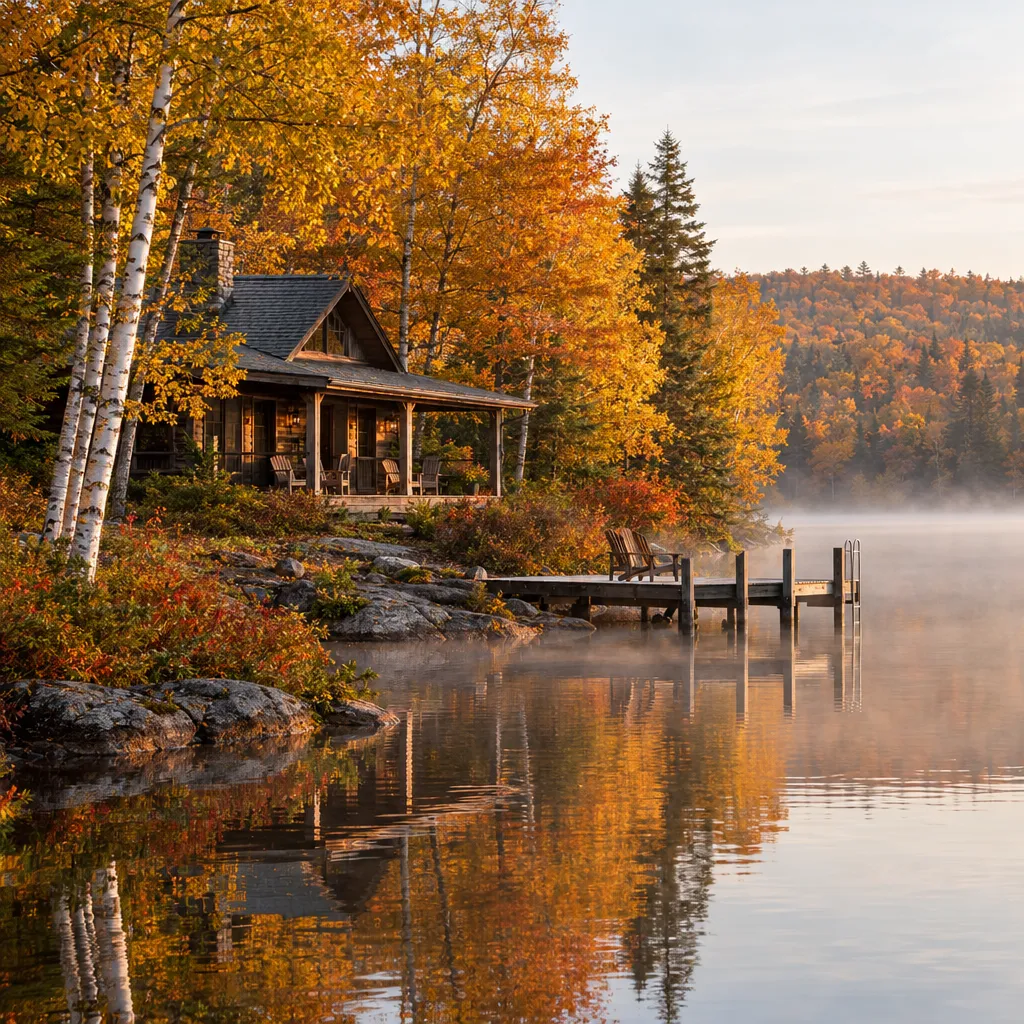
Closing Up for the Season: A Practical Guide to Winterizing Your Adirondack Second Home
October moves fast in the Adirondacks. One week the maples are turning, and the next, there's frost on the dock and ice forming at the lake's edge. For second home owners in the region, that shift is a signal — the seasonal window for closing up a property is narrowing, and what you do before you leave can make a significant difference in what you find when you return.
Winterizing a seasonal property isn't complicated, but it does require attention to detail. Missed steps tend to show up as expensive problems: burst pipes, water damage, pest intrusions, or heating system failures that go unnoticed until spring. This guide walks through the core areas to address before locking the door on your Adirondack camp, cabin, or lakefront retreat for the winter.
The First Decision: Drain or Keep It Heated?
Before you start working through any checklist, the most important decision is whether you'll fully drain and shut down the property or leave heat running through the winter.
Both approaches can work, but each has implications. Most second home owners in the Adirondacks face this choice every fall — and the right answer depends on your heating system's reliability, how often you plan to visit, and how much you're willing to spend on heating fuel through a cold Upstate New York winter.
Leaving heat on: If you plan to visit occasionally or want a simpler spring reopening, keeping the heating system running at a minimum of 55°F can help prevent pipes from freezing in exterior walls and floors. This approach requires a reliable heating system and an uninterrupted power or fuel supply. Even with the heat on, shutting off the water supply and draining the system is a sound precaution — if power is interrupted during a winter storm, the pipes could still freeze.
Full shutdown and drainage: If you won't use the property at all during the winter, a complete winterization — fully draining water from the entire plumbing system — is often the more thorough approach. In older Adirondack properties, heating through a full winter can require a meaningful fuel investment. Complete drainage removes the risk entirely, provided it's done properly.
Plumbing: The Non-Negotiable Priority
Water left in the lines of an unoccupied seasonal property can freeze, expand, and damage plumbing lines, valves, fixtures, and appliances. Properly draining and preparing the water system is the most consequential step in closing a second home for winter.
Shut Off and Drain the Water System
The most important step is shutting off the main water supply valve. If your Adirondack property uses a well, turn off the electricity to the well pump at the breaker panel — label that circuit clearly so it's easy to find every year.
Once the water supply is off, open every faucet in the home, starting from the highest point and working down. Let them run until the flow reduces to a slow drip. Flush every toilet until the tanks are empty, then flush again to drain the bowls. Don't forget outdoor spigots, utility sinks, and any refrigerator or icemaker water lines.
Treat the Drain Traps
Every sink, tub, shower, and toilet drain has a trap — a curved section of pipe that holds water to prevent sewer gases from entering the home. After draining the system, those traps will be empty, which creates two problems: sewer gas can enter the home, and the empty trap itself can crack in sustained freezing temperatures.
The solution is straightforward: pour a small amount of RV antifreeze — available at hardware and automotive stores — into every drain. A cup or two per drain is typically sufficient. Use RV antifreeze specifically, not automotive antifreeze. Don't skip the toilet bowls or any floor drains.
Outdoor Lines and Hoses
Disconnect and drain all garden hoses before the first freeze. Shut off the water supply to any outdoor faucets using their interior isolation valves, and leave the outdoor faucet slightly open to allow any remaining water to drain. If your property has an irrigation system, have it blown out professionally before temperatures drop.
Heating Systems
If you're leaving heat on through the winter, have the system serviced before you leave — not in January when something goes wrong. A licensed technician can inspect the furnace or boiler, check filters and connections, and identify anything that might fail mid-winter without warning.
If your property uses hot water baseboard heat or radiators charged with water rather than antifreeze, consider having a professional convert the system to antifreeze. That allows you to fully shut down the property without worrying about the hydronic system freezing.
For properties using propane or oil, top off the fuel tank before closing up and set up delivery arrangements for the winter if needed. Running out of fuel during a cold stretch can cause pipes to freeze even if the heating system itself is in good condition.
The Exterior
Adirondack winters bring heavy snow loads, ice dams, and repeated freeze-thaw cycles that stress every surface of a property's exterior. A few hours of attention before closing can prevent significant damage over a five-month winter.
Gutters and drainage: Clean gutters before you leave. When gutters are clogged, snowmelt has nowhere to go and refreezes at the roof's edge, forming ice dams. Water backed up under shingles by ice dams can leak into attic spaces and interior walls — often without being noticed until the spring thaw.
Trees and branches: Walk the property and look for dead or overhanging branches. Heavy snow and ice can bring them down. If a large limb is over the roof, deck, or vehicle parking area, it's worth addressing before winter arrives.
Decks and outdoor furniture: Move furniture, grills, cushions, and any decorative items inside or into a protected storage area. Check deck boards for any loose fasteners or soft spots before snowfall makes them harder to find. A quality deck sealant applied in fall can help the surface hold up through spring.
Driveway access: Arrange for snow removal before you leave — especially if you'll be making occasional winter visits or have a caretaker checking on the property. A maintained driveway also signals that a property isn't sitting completely abandoned.
Security and Remote Monitoring
A vacant property through a long Adirondack winter benefits from active monitoring even when no one is on-site. Modern tools make this easier than it has ever been.
A remotely accessible thermostat or temperature monitor lets you check interior conditions from anywhere. A temperature alert — typically set to notify you if the interior drops below 45°F — can catch a heating failure before pipes freeze. Leak sensors placed near water heaters, under sinks, and in mechanical rooms can catch a drip before it becomes a flood.
Confirm that smoke and carbon monoxide detectors are functional with fresh batteries before you leave. If the property has a security system, verify that it's armed and monitored. A trusted local contact — neighbor, caretaker, or property manager — who can check on the home after significant storms is an investment worth making.
Insurance: Review Before You Leave
Not all homeowners policies treat vacant or seasonal properties the same way. Some policies require that heat be maintained at a minimum temperature, or that the plumbing be drained and shut off, in order for water damage from frozen pipes to be covered.
Review your policy before closing the property — not after something goes wrong. If you're unsure what your insurer requires for a seasonally unoccupied property, contact your agent directly. In some cases, a separate seasonal or vacant dwelling endorsement may be appropriate. Getting clarity before winter is a straightforward step that many second home owners overlook until it's too late.
A Final Walkthrough Before You Leave
Before turning the key for the last time this season, take a slow walk through every room. Confirm that:
- All faucets are closed and drained
- The water supply is shut off at the main valve or well pump
- Every drain trap has been treated with RV antifreeze
- All electronics and small appliances are unplugged
- Windows and exterior doors are locked and properly sealed
- Smoke and carbon monoxide detectors are in working order
- The heating system is set appropriately — or shut down if fully winterized
- Outdoor furniture, hoses, and grills are stored
- A local contact is aware the property will be unoccupied
- Temperature monitoring is active and connected
No two Adirondack properties are identical — the right winterization process for a modern year-round home is different from what a 1950s camp with galvanized plumbing requires. When you're unsure about a specific system, a licensed plumber or HVAC technician familiar with seasonal properties in the region is the right resource.
Thinking About the Longer View
Seasonal property ownership in the Adirondacks is genuinely rewarding, and developing good closing habits is part of what makes it sustainable over the long term. Each fall becomes a little more routine, the checklist a little more dialed in.
If you're still in the process of deciding whether Adirondack second home ownership is the right fit — or you're trying to understand what to look for in a property that will hold up well as a seasonal retreat — those are conversations worth having before you're under contract.
Connect with Meghan to discuss what seasonal ownership really involves, what questions to ask about a property's systems during due diligence, and how to approach the Adirondacks market with a clear set of priorities. Reach out here to start a conversation.
This article is intended as general educational information for second home owners. For guidance specific to your property's plumbing, heating, insurance, and structural requirements, consult a qualified professional.