What Luxury Buyers Notice During a Showing — and What Sellers Should Know
Luxury buyers arrive at a showing already informed. They've reviewed the photos, studied the floor plan, and likely compared the property to several others. What they haven't been able to assess — until they walk through the door — is whether the home holds up in person.
That gap between photography and reality is where showings are won or lost. And at the luxury level, the evaluation begins before a buyer reaches the first room.
If you're preparing a luxury home for the market in Saratoga Springs, the Adirondacks, or the broader Upstate New York region, understanding how high-end buyers think during a showing is one of the most valuable things you can do before the first appointment is scheduled.
The First 60 Seconds Set the Tone
Luxury buyers form an impression quickly — not because they're impulsive, but because they're experienced. Many have toured dozens of properties and can assess quality instinctively.
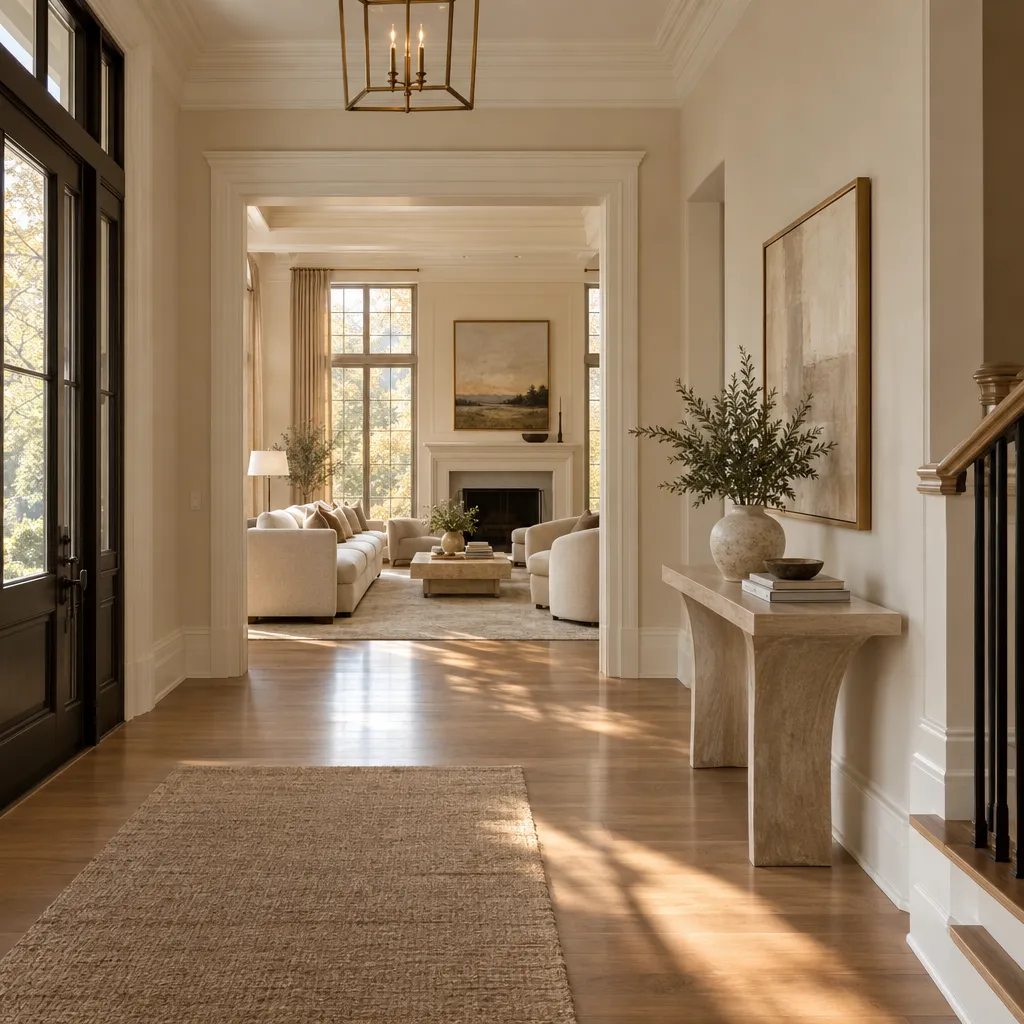
The entry experience matters enormously. The approach to the front door, the condition of exterior finishes, the quality of the hardware, and the way the home smells when the door opens all register before a buyer has looked at a single room. A heavy, well-hung door. A clean threshold. Natural light visible from the entry. These are the signals that tell a buyer the home has been properly maintained and thoughtfully presented.
A fresh coat of paint on a front door costs very little. A sticking lock, a cracked light fixture, or a musty entry can cost considerably more — in buyer confidence.
What Luxury Buyers Are Quietly Evaluating
High-end buyers are often evaluating several things at once during a showing. They're experiencing the space emotionally while also cataloging it analytically. Here's what tends to draw their attention most.
Build Quality and Finish Consistency
At the luxury level, buyers expect quality finishes — and they know what to look for. Mismatched hardware throughout the home, inconsistent trim profiles, or a stunning kitchen followed by a dated powder room creates friction. It signals that the home was updated in phases rather than with intention.
Consistency matters. The quality of materials and the level of detail should feel cohesive from room to room. When it does, buyers relax. When it doesn't, they start making lists.
Mechanical Systems and Deferred Maintenance
Luxury buyers are not simply buying a beautiful home. They are buying confidence — confidence that the property is sound, that it won't require immediate capital investment, and that they aren't inheriting someone else's deferred maintenance.
A buyer who notices a water stain on a ceiling, a soft spot in a floor, or evidence of a past repair that wasn't completed properly will begin to question what else may be waiting beneath the surface. Transparent disclosure, completed repairs, and documentation of major system updates are far more reassuring than a beautifully staged room sitting next to an obvious concern.
Natural Light and Spatial Flow
Light is one of the most consistent factors that buyers at every price point respond to — but at the luxury level, it becomes a defining characteristic. How a home handles light throughout the day, whether rooms feel proportional and connected, and how spaces transition from public to private all contribute to whether a buyer can picture living there.
Open window treatments before showings. Remove visual clutter that interrupts sightlines. Let the architecture of the home speak. In older Saratoga Springs properties with tall windows and original moldings, that means getting out of the way and letting the bones of the home do the work.
Outdoor Connection and Usable Exterior Space
In this region especially — where outdoor living is a core part of the lifestyle — how a home connects to its land matters. Buyers will walk the grounds, step onto the porch, and stand at windows to assess the view. A rear terrace that looks onto a well-maintained landscape reinforces the property's value. One that looks onto neglected beds or peeling outdoor furniture does the opposite.
Outdoor furniture should be clean and in good condition. Lighting should work. Walkways should be clear and safe. These are details that cost relatively little to address and signal a great deal about how the property has been cared for.
Storage, Closets, and Practical Systems
Luxury buyers expect beautiful spaces — and they also expect the home to function at the level its price suggests. Primary closets, kitchen storage, mudroom utility, and garage organization all get scrutinized. A home that photographs beautifully but offers inadequate practical storage will generate feedback that lingers in buyer conversations.
Consider a thoughtful organization of these spaces before listing. Closets that are well-organized and clearly spacious — rather than stuffed to the door — help buyers see the capacity of the home rather than its limitations.
What Sellers Often Underestimate
There are a few consistent areas where sellers of luxury properties tend to underinvest — and where buyers consistently notice the gap.
Scent and air quality. A home that smells fresh and neutral allows buyers to project themselves into the space. Strong cleaning product odors, pet presence, or cooking residue can pull a buyer out of the experience immediately.
Temperature and comfort. A home that is too warm or too cold during a showing creates physical discomfort — and discomfort interrupts the buying imagination. Set the home to a welcoming temperature before every appointment.
Clutter — including tasteful clutter. Even thoughtfully curated personal items, family photos, and decorative collections can make it harder for buyers to visualize ownership. The goal during a showing is to create space — literal and psychological — for the buyer to inhabit. A lighter presentation almost always serves the sale better than a fully decorated one.
Sound. Background noise — from a television, a loud HVAC system, or neighborhood activity that was never noticed day-to-day — becomes noticeable in a showing context. A quiet home, or one with soft neutral background music, creates a more composed environment for evaluation.
The Strategic Reality of Luxury Showings
A luxury showing is not simply an opportunity to display a home. It is a carefully constructed experience that either confirms or undermines a buyer's expectations. Buyers at this level are typically deliberate, sometimes slow to move, and attentive to their instincts. A home that passes the in-person test confidently — where every detail reinforces the asking price rather than quietly arguing against it — is the one that earns serious offers.
Preparation doesn't need to mean a complete renovation before listing. It means understanding what buyers in your price category expect, addressing the gaps that are within your control, and presenting the property with the same level of intention that buyers will bring to their evaluation.
Ready to Think Through Your Listing Strategy?
Every property is different, and the right preparation strategy depends on the home, the market, and the buyer profile you're most likely to attract. If you're considering selling a luxury property in Saratoga Springs, the Adirondacks, or the surrounding Upstate New York area, connect with Meghan to talk through your goals, your property, and what a well-positioned listing looks like for your specific situation.